When it comes to lathe work, the choice of jaws can be the difference between efficient machining and costly errors. Lathe jaws are the work holding components that clamp the workpiece in place during turning operations. They must provide a strong, stable grip while also allowing for precision alignment and repeatability. Whether you’re running a high-volume job in a production shop or prototyping one-off components, understanding the different types of lathe jaws is critical for consistent results.
In this article, we’ll break down the most common types of lathe jaws, their ideal applications, and the advantages of each. By understanding how each jaw functions and when to use it, machinists and shop managers can improve cycle times, reduce part rework, and maintain high-quality standards.
The Role of Lathe Jaws in Work Holding
Before diving into the jaw types, it's important to understand what makes jaws so essential. On a manual or CNC lathe, the chuck holds the workpiece, and the jaws within the chuck do the actual gripping. Depending on the type of chuck, jaws may move independently or simultaneously. Jaws also come in various sizes and geometries to accommodate different materials, part shapes, and tolerances.
If the wrong jaw type is used, it can lead to part slippage, poor concentricity, or even damage to the workpiece or machine. Choosing the right jaw improves both efficiency and precision, and it ultimately contributes to better tool life and part quality.
3-Jaw Scroll Chucks: The Industry Standard for Round Work
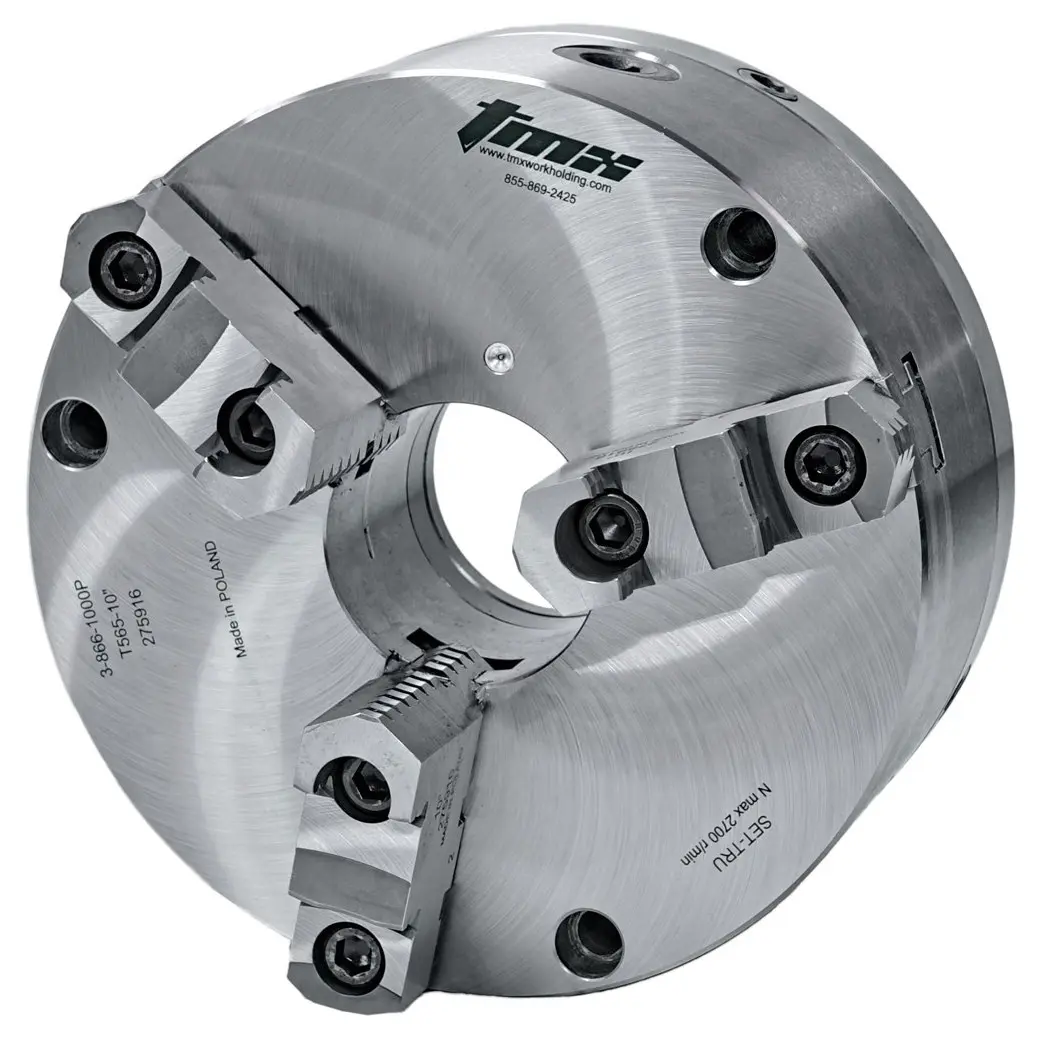
One of the most commonly used jaw types is the 3-jaw scroll chuck. These jaws move simultaneously when the chuck is tightened, centering the workpiece automatically. This makes them ideal for round or hexagonal stock.
Advantages
- Quick to set up and easy to use
- Self-centering, reducing setup time
- Suitable for most general-purpose turning tasks
Limitations
- Not suitable for irregular shapes
- Slightly less accurate than independent jaws when extreme precision is required
In production environments where speed is prioritized over micrometer-level precision, 3-jaw chucks remain the go-to.
4-Jaw Independent Chucks: Maximum Flexibility and Precision
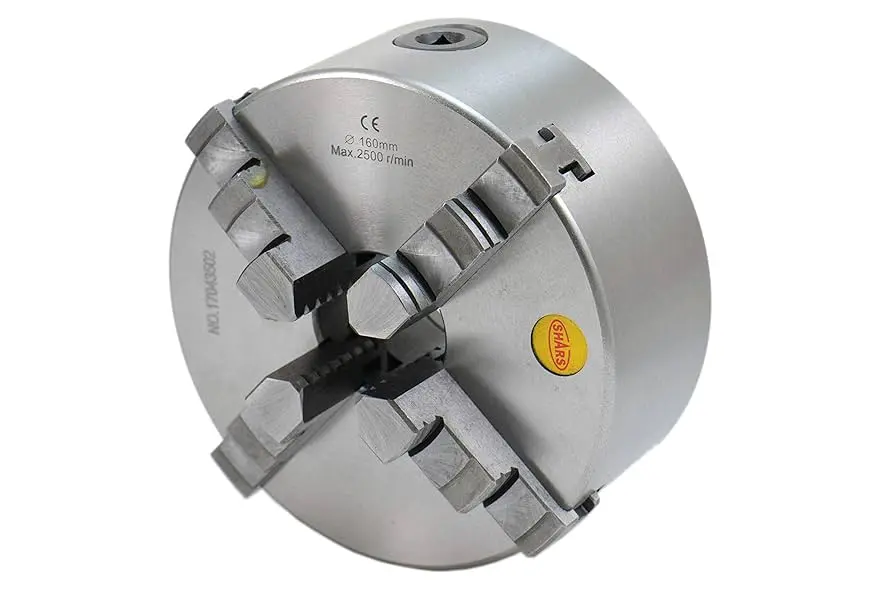
For machinists who need to hold square, rectangular, or irregularly shaped workpieces, the 4-jaw independent chuck is the clear choice. Each jaw moves independently, allowing the operator to center the workpiece manually.
Advantages
- Can hold non-cylindrical shapes
- Allows off-center turning
- Offers greater precision when dialed in correctly
Limitations
- Slower setup and alignment
- Requires more skill and attention to detail
Though setup takes more time, the 4-jaw chuck is indispensable for custom work and repair shops that deal with a wide variety of part geometries.
Soft Jaws: Custom Machining for Maximum Concentricity
Soft jaws are usually made of mild steel or aluminum and are designed to be machined by the user to match a specific part contour. They are most often used in CNC lathe chucks.
Advantages
- Perfect concentricity and minimal runout
- Excellent grip on delicate or complex shapes
- Great for repeat production of identical parts
Limitations
- Require time to machine the jaw profile
- Wear out and need regular replacement
Shops that specialize in high-precision parts, especially in the aerospace or medical sectors, rely heavily on soft jaws for exact work holding.
Hard Jaws: The Durable Workhorse
Unlike soft jaws, hard jaws are pre-hardened and cannot be machined. These are often used in 3-jaw chucks and come with serrated or stepped gripping surfaces.
Advantages
- Durable and long-lasting
- Good for general-purpose turning
- No prep required
Limitations
- Less forgiving on surface finish
- Not ideal for high-precision tasks
Hard jaws are well-suited for roughing operations and for parts where surface finish is not the highest priority.
Get Your Free Quote Today
Don't wait any longer on your project!
Collet Chucks: Speed and Precision for Small Parts
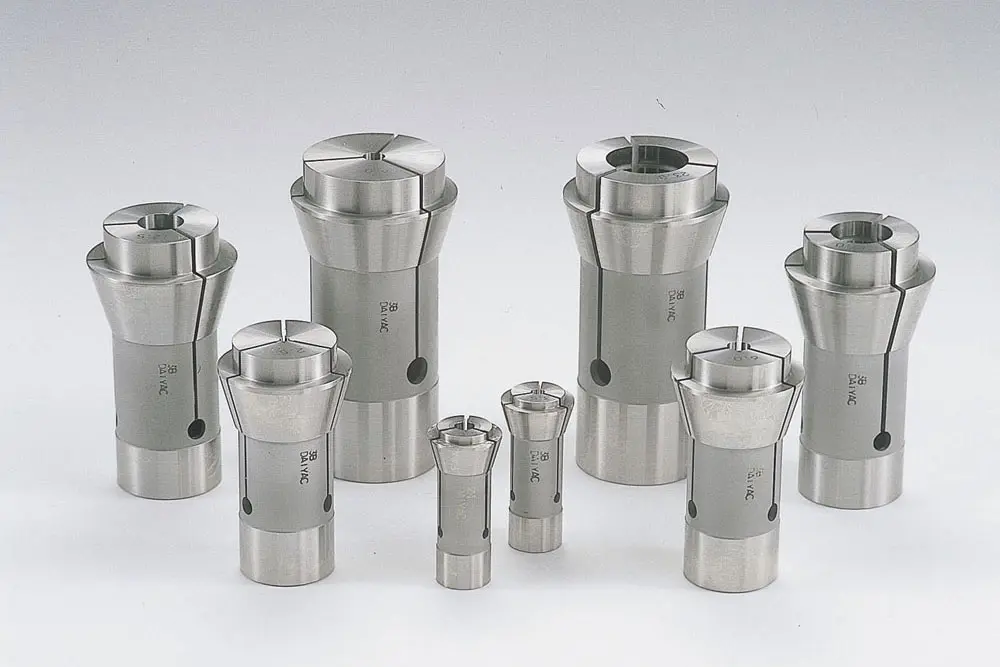
Collet chucks use a sleeve (collet) that compresses around the workpiece to grip it. These are typically used for small diameter stock and are popular in high-speed CNC turning centers.
Advantages
- Fast changeover
- High concentricity and repeatability
- Ideal for bar-fed operations
Limitations
- Limited to specific diameters
- Less grip strength for heavy turning
Collet systems shine in high-volume environments where parts of uniform size are machined in succession.
Jaw Selection by Application
Choosing the right jaw starts with understanding the part geometry and the machining operation. Here’s how to match jaws to the job:
- Round parts with medium tolerance: 3-jaw scroll chuck
- Irregular or square parts: 4-jaw independent chuck
- High-precision parts with tight tolerances: Soft jaws
- High-speed production of small parts: Collet chuck
- Rough machining and general work: Hard jaws
Upgrading or Maintaining Your Lathe Jaws
Whether you're outfitting a new lathe or replacing worn jaws, having the right jaws in your inventory saves time and money. Always inspect jaws for wear, nicks, and deformation. Regrinding or replacing worn jaws is a small investment that pays dividends in part accuracy and tool longevity.
Choosing the right jaw type often comes down to the part geometry, material, and required precision. From general-purpose 3-jaw chucks to high-precision collet systems, the right choice makes a difference in both performance and productivity.
Conclusion
Lathe jaws may seem like a small part of the machining puzzle, but they play a crucial role in the quality and consistency of your work. From basic scroll chucks to precision-machined soft jaws, the range of options allows manufacturers to tailor their setup to specific job requirements. Understanding these options and their best-use cases helps shops operate more efficiently, reduce scrap, and meet tight tolerances more reliably.
Whether you're running high-volume CNC production or tackling complex one-off jobs, the right jaw choice can make a big impact. Keep your machine shop running at peak performance by investing in the proper jaws for every application.